
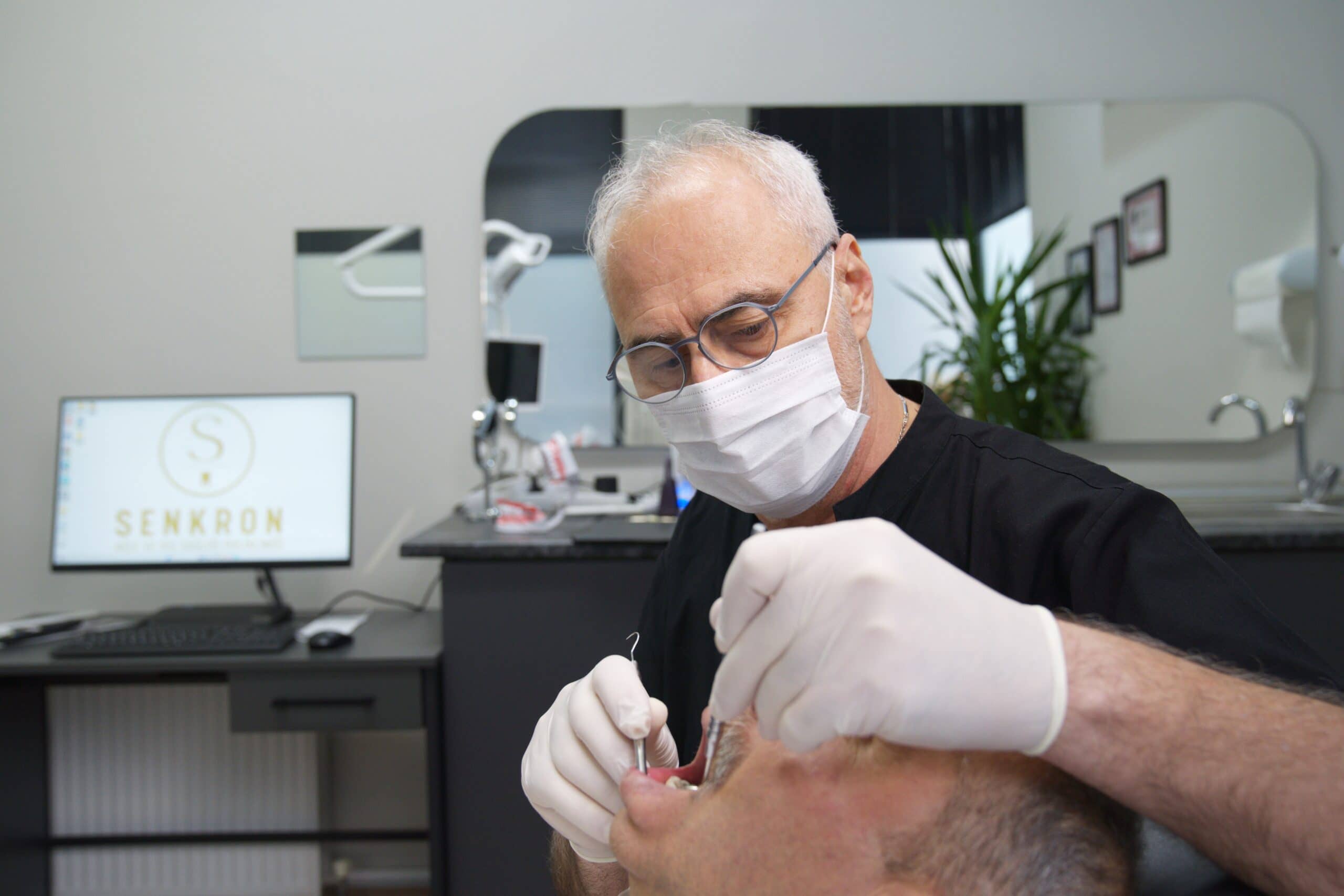
Wisdom teeth are the last permanent molars to develop, usually appearing between the ages of 17 and 25. While some emerge without complications, others become trapped beneath the gums or grow at an incorrect angle.
Poor positioning can make these teeth difficult to clean and increase the risk of infection, tooth decay and damage to neighbouring molars.
Understanding their development, recognising warning signs and knowing when treatment is necessary can help you make informed decisions about your oral health.
If you experience discomfort around your back teeth, a professional examination at a dental polyclinic in Kadıköy can help identify the cause and determine the appropriate treatment.
What Is a Wisdom Tooth?
A wisdom tooth is the third molar located at the back of each side of the upper and lower jaws.
Most adults develop four of these teeth, although some develop fewer or none at all.
These molars usually emerge after the other permanent teeth have developed. Their position at the back of the mouth can make brushing and flossing more difficult.
When they have sufficient space and grow in the correct position, they can function normally. Problems arise when their development is restricted by surrounding teeth or jaw structure.
What Are the Common Symptoms?
Not everyone experiences discomfort when these molars emerge. However, certain symptoms may indicate inflammation, infection or an impacted tooth.
Common warning signs include:
- Pain at the back of the jaw: Discomfort around the last molars, particularly when chewing.
- Swollen gums: Redness, tenderness or inflammation around an emerging tooth.
- Jaw stiffness: Difficulty opening the mouth fully.
- Bad breath: Unpleasant breath caused by trapped food particles and bacterial buildup.
- Unpleasant taste: A persistent bad taste that may indicate infection or discharge.
- Facial swelling: Swelling around the cheek or jaw, particularly when inflammation becomes more severe.
- Difficulty chewing: Pain or tenderness when eating.
These symptoms are not exclusive to third molars. Tooth decay, gum disease and other dental conditions can produce similar problems.
A dental examination is necessary to identify the underlying cause.
Why Do Wisdom Teeth Become Impacted?
An impacted tooth cannot emerge fully because its path is blocked by the surrounding teeth, gum tissue or jawbone.
Limited space in the jaw is one of the main reasons this happens.
Depending on its position, an impacted tooth can develop in several ways:
1. Mesial Impaction
The tooth tilts forward towards the neighbouring molar. This is one of the common forms of impaction and can make cleaning between the teeth difficult.
2. Distal Impaction
The tooth tilts backwards, away from the neighbouring molar. Its position may prevent normal eruption.
3. Horizontal Impaction
The tooth grows sideways rather than vertically. It may press against the roots or crown of the neighbouring molar.
4. Vertical Impaction
The tooth develops in an upright position but remains trapped beneath the gums or bone because there is insufficient space to emerge.
An impacted tooth does not always cause symptoms. Dental imaging helps determine its position and whether it requires treatment.
What Problems Can an Impacted Tooth Cause?
Incorrectly positioned third molars can create several oral health complications.
Pericoronitis
Pericoronitis is inflammation or infection of the gum tissue surrounding a partially erupted tooth.
Food debris and bacteria can collect beneath the gum flap, causing pain, swelling and difficulty opening the mouth.
Tooth Decay
Because these molars are difficult to reach, plaque can accumulate around their surfaces.
This increases the risk of cavities, particularly when regular brushing and flossing cannot effectively clean the area.
Damage to Adjacent Teeth
An impacted tooth may press against the neighbouring second molar.
This can contribute to root damage, decay or periodontal problems affecting the surrounding tissues.
Gum Disease
Bacterial buildup around partially erupted teeth can cause inflammation and infection of the surrounding gums.
If untreated, periodontal problems may affect the supporting tissues of nearby teeth.
Dental Cysts
In uncommon cases, a fluid-filled sac can develop around an unerupted tooth.
An expanding cyst may damage nearby bone, teeth and surrounding structures, making professional assessment important.
How Are Wisdom Tooth Problems Diagnosed?
A dentist evaluates the affected area before recommending treatment.
The examination generally involves checking the gums, surrounding teeth, tenderness and signs of infection.
Dental X-rays provide additional information about the tooth’s position and development.
They help identify:
- The direction and depth of impaction.
- The number and shape of the roots.
- The relationship with neighbouring molars.
- The proximity of roots to important nerves.
- Changes in the surrounding bone or tissues.
For complicated cases, a three-dimensional scan called cone beam computed tomography (CBCT) may be recommended.
This imaging provides a more detailed view of the tooth and surrounding structures when necessary.
When Should Wisdom Teeth Be Removed?
Extraction is not necessary for every patient.
A healthy tooth that has emerged completely, functions normally and can be cleaned properly may remain in place.
A dentist may recommend removal when examination findings show:
- Repeated infections around the tooth.
- Untreatable or extensive tooth decay.
- Damage to neighbouring molars.
- Gum disease associated with the affected tooth.
- Cysts or other pathological changes.
- Persistent problems caused by its position.
An impacted tooth without symptoms does not automatically require extraction. Its condition should be monitored through appropriate dental examinations.
The decision depends on the potential risks of keeping the tooth compared with the risks of surgery.
When Is Wisdom Tooth Pain an Emergency?
Some symptoms require urgent professional attention rather than waiting for a routine dental appointment.
Seek urgent assessment if you experience:
- Rapidly increasing facial or jaw swelling.
- Fever accompanied by dental swelling or pain.
- Pus or signs of a spreading infection.
- Severe difficulty opening your mouth.
Difficulty swallowing or breathing requires immediate emergency medical attention.
Do not attempt to treat a suspected dental infection by taking leftover antibiotics or delaying professional care.
Frequently Asked Questions
Can wisdom teeth grow at age 30?
Yes. Although they commonly emerge between 17 and 25, some people experience later development. Others never develop these teeth.
Can wisdom teeth cause headaches?
Dental pain and inflammation can sometimes cause referred pain around the jaw, temples or head. However, headaches have many possible causes, so persistent symptoms should be evaluated.
Can wisdom teeth affect other teeth?
Yes. An incorrectly positioned or impacted tooth may contribute to decay, gum problems or damage to an adjacent molar.
How long does wisdom tooth extraction take?
The duration depends on the tooth’s position, root structure and surgical complexity. A straightforward extraction generally takes less time than removing a deeply impacted tooth.
Can I brush my teeth after extraction?
Yes. You should continue brushing your other teeth carefully. Avoid disturbing the extraction site, particularly during the first 24 hours.
Conclusion
Wisdom teeth do not always require removal, but incorrect positioning, infection and decay can create significant dental problems.
Understanding the symptoms and recognising complications early can help prevent damage to surrounding teeth and gums.
Regular dental examinations and appropriate imaging allow dentists to assess their development and recommend monitoring or treatment when necessary.
If you experience persistent pain, swelling or difficulty chewing, arrange a dental examination to identify the cause and discuss suitable treatment options.