
A dental bridge can restore your confident smile, make meals enjoyable again, and fill the gaps left by missing teeth. If you are thinking about getting one, you may wonder how long do dental bridges last and what affects its lifespan.
On average, dental bridges last 5 to 15 years. However, excellent care for your bridge, teeth, gums, and bite can help them last longer.
A bridge’s lifespan depends on several things rather than on the bridge itself. Supporting teeth, restoration type, oral hygiene, bite alignment, and daily habits all affect how long it lasts.
If you are considering replacing missing teeth, a professional assessment at a dental clinic in Kadıköy can help identify the best solution for your unique smile.
Factors that affect Dental Bridge Longevity?
Most dental bridges are expected to last around 5 to 15 years, though this is only an average. Some may need attention sooner, while others may continue working well beyond 15 years.
Several factors determine where your bridge falls within that range:
- The type and material of the bridge
- The condition of the abutment teeth
- Gum and periodontal health
- Oral hygiene habits
- Bite alignment and chewing forces.
- Bruxism or teeth grinding.
- Regular dental examinations
- The quality of the original fit and placement
A bridge’s strength depends on the health of the teeth and gums that support it. Caring for your natural teeth and gums helps keep your restoration strong.
What are the Habits that Affect the Lifespan of a Dental Bridge?
The Health of the Abutment Teeth
Traditional bridges usually rely on natural teeth called abutment teeth. Dental crowns sit over these teeth to support a pontic (The artificial tooth that fills the missing space).
If an abutment develops tooth decay, a fracture, or another serious problem, the bridge may become loose or require replacement.
Gum Disease and Periodontal Health
Healthy gums provide important support around the teeth holding a bridge. When plaque and tartar are not adequately controlled, they can contribute to gum inflammation and periodontal disease.
As gums recede, they can expose parts of the supporting teeth, making cleaning trickier. Keeping your gums healthy is essential for the long-term success of your bridge.
Oral Hygiene
Having a dental bridge does not mean you can skip cleaning between your teeth. Food and plaque can still collect around the bridge, under the pontic, and along the gumline.
Brush twice daily with fluoride toothpaste, Miswak, and clean between your teeth with floss or interdental brushes to help prevent decay and gum disease. Regular dental checkups can catch small issues before they become bigger problems.
Teeth Grinding and Bite Forces
Bruxism, or teeth grinding and clenching, puts extra pressure on your teeth and dental work. As a result, strong or uneven bite forces can loosen, crack, or wear down your bridge over time.
If you tend to grind your teeth at night, your dentist can suggest the right protection for your unique bite and bridge.
Do Different Types of Dental Bridges Last Different Amounts of Time?
Not every bridge is designed in the same way.
The four main types are:
- Traditional
- Cantilever
- Maryland
- Implant-supported bridges.
Traditional Dental Bridge
A traditional bridge is supported by crowns placed on abutment teeth on both sides of the missing tooth or teeth. It is commonly used when the neighboring teeth are healthy enough to provide support.
Cantilever Bridge
A cantilever bridge is supported from only one side. Because the pontic is anchored to one abutment, it can experience different forces than a traditional two-sided bridge and is selected carefully for appropriate situations.
Maryland Bridge
A Maryland bridge, also known as a resin-bonded bridge, uses wings bonded to the backs of neighboring teeth rather than conventional crowns.
These bridges can be more conservative, but their suitability depends on tooth location and bite forces.
Implant-Supported Bridge
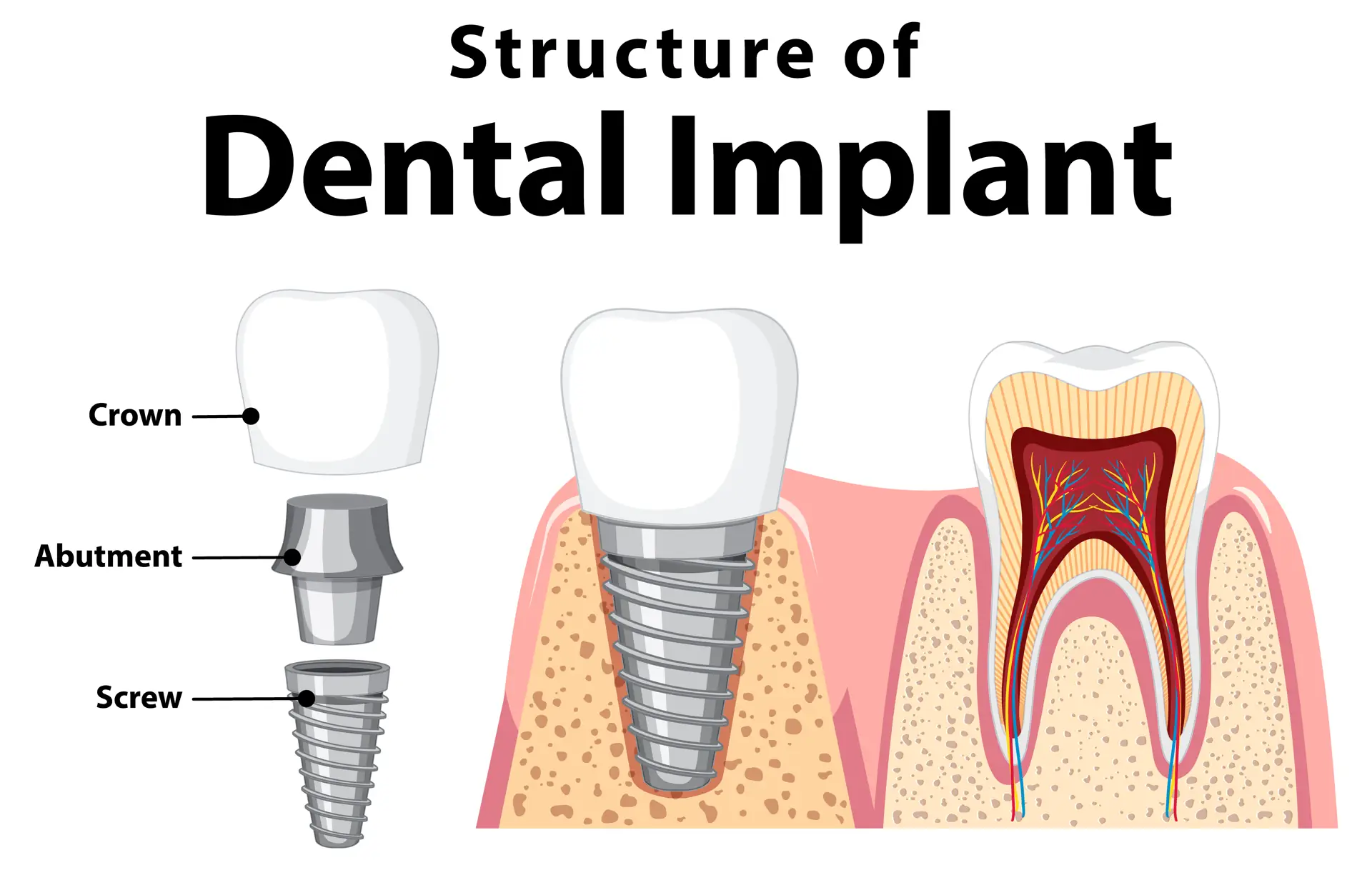
An implant-supported bridge is attached to dental implants rather than natural abutment teeth. Dental implants are placed in the jawbone and can support a bridge when several adjacent teeth are missing.
The appropriate design depends on the location of missing teeth, the health of the surrounding teeth and gums, the amount of bone support, and bite forces.
How Can You Make a Dental Bridge Last Longer?
While no care routine can guarantee a specific number of years, good maintenance gives your bridge and supporting teeth the best chance of staying healthy and strong.
- Maintain Excellent Oral Hygiene
Brush your teeth twice daily and clean carefully around and beneath the bridge.
- Attend Regular Dental Examinations
Routine examinations allow your dentist to check the bridge, abutment teeth, gums, bite, and surrounding structures.
- Manage Teeth Grinding
If you clench or grind your teeth, talk to your dentist. Reducing excessive forces may help protect the restoration and your natural teeth.
- Avoid Using the Bridge as a Tool
Dental bridges are designed for everyday chewing, but biting hard objects or opening packages can strain them.
For patients exploring dental bridge solutions, the best option should be based on the condition of the supporting teeth, gums, bite, and overall oral health.
What Are the Signs That a Dental Bridge Needs Attention?
A bridge rarely fails overnight. Instead, small changes often appear slowly over time.
Contact your dentist if you notice:
- A bridge that feels loose or moves
- Cracks or visible damage
- Pain when biting
- Persistent sensitivity around a supporting tooth
- Swelling or bleeding around the bridge
- Changes in your bite
- Food repeatedly becomes trapped around the restoration.
- A crown supporting the bridge is becoming damaged
Do not ignore a loose bridge. The cause may involve the cement, a supporting tooth, gum disease, decay, or another issue that needs attention.
Can a Dental Bridge Be Repaired or Does It Need Replacement?
Not every bridge problem requires complete replacement. Depending on the cause and extent of the damage, dental bridge repair may sometimes be possible.
However, replacement may be necessary when the bridge is significantly fractured, the supporting tooth has extensive decay or damage, or the surrounding oral structures can no longer provide reliable support.
A dentist will evaluate the bridge and supporting tissues before recommending repair or replacement. This assessment matters because replacing a damaged bridge without addressing the underlying problem may not solve the issue.
If you are considering dental bridge treatment, a comprehensive dental examination can help determine whether a bridge is appropriate and which design best fits your needs.
Frequently Asked Questions
Can a dental bridge last 20 years?
Some bridges may last longer than the typical 5 to 15 year range. Long-term survival depends on the restoration and support of teeth and gums, oral hygiene, and other factors.
What is the most common reason a dental bridge fails?
Bridge failure can result from biological problems such as tooth decay or periodontal disease, as well as technical problems such as loss of retention, fracture, or damage.
The health of the abutment teeth is especially important because they support the bridge.
Can you eat normally with a dental bridge?
A properly fitted fixed bridge is designed to restore chewing function. However, patients should follow their dentist’s instructions and avoid habits that place excessive force on the restoration.
Does a dental bridge need special cleaning?
Yes. Regular brushing is important, but you also need to clean around and beneath the bridge. Depending on the design, floss threaders, interdental brushes, or other cleaning aids may be recommended.
How do I know if my bridge is failing?
Loosening, pain, sensitivity, swelling, bleeding, visible cracks, or changes in your bite can indicate a problem.
Key Takeaways
- Dental bridges generally last about 5 to 15 years.
- Some bridges can last longer, but lifespan varies from patient to patient.
- Healthy abutment teeth and gums are essential for long-term support.
- Plaque, tartar, tooth decay, and periodontal disease can compromise supporting structures.
- Bruxism and excessive bite forces can increase stress on a restoration.
- Traditional, cantilever, Maryland, and implant-supported bridges have different designs and indications.
- Good oral hygiene and regular dental examinations can help protect your bridge.
- A dentist should assess a loose, painful, cracked, or damaged bridge.
So, How long do dental bridges last?
A dental bridge is a dependable solution for missing teeth, but how long it lasts depends on its materials, the health of the teeth and gums, bite, daily care, bridge design, and regular dental visits.
Instead of counting the years, think of your bridge’s lifespan as a partnership between your restoration and your oral health.
With thoughtful planning, attentive care, and regular dental checkups, you can help your bridge stay comfortable and useful for years to come.