
Losing a tooth can affect much more than your smile. It can make chewing difficult, change the way you speak, and allow nearby teeth to shift out of place. Over time, these changes may affect your bite alignment, gum tissue, and overall oral health.
A dental bridge is a trusted solution for replacing one or more missing teeth. By filling the gap with a custom-made restoration, it helps restore chewing function, improve smile aesthetics, and support a balanced bite.
If you are exploring tooth replacement options, consulting a trusted Merdivenköy dental hospital can help you understand which approach best fits your oral health needs and long-term goals.
What Is a Dental Bridge?
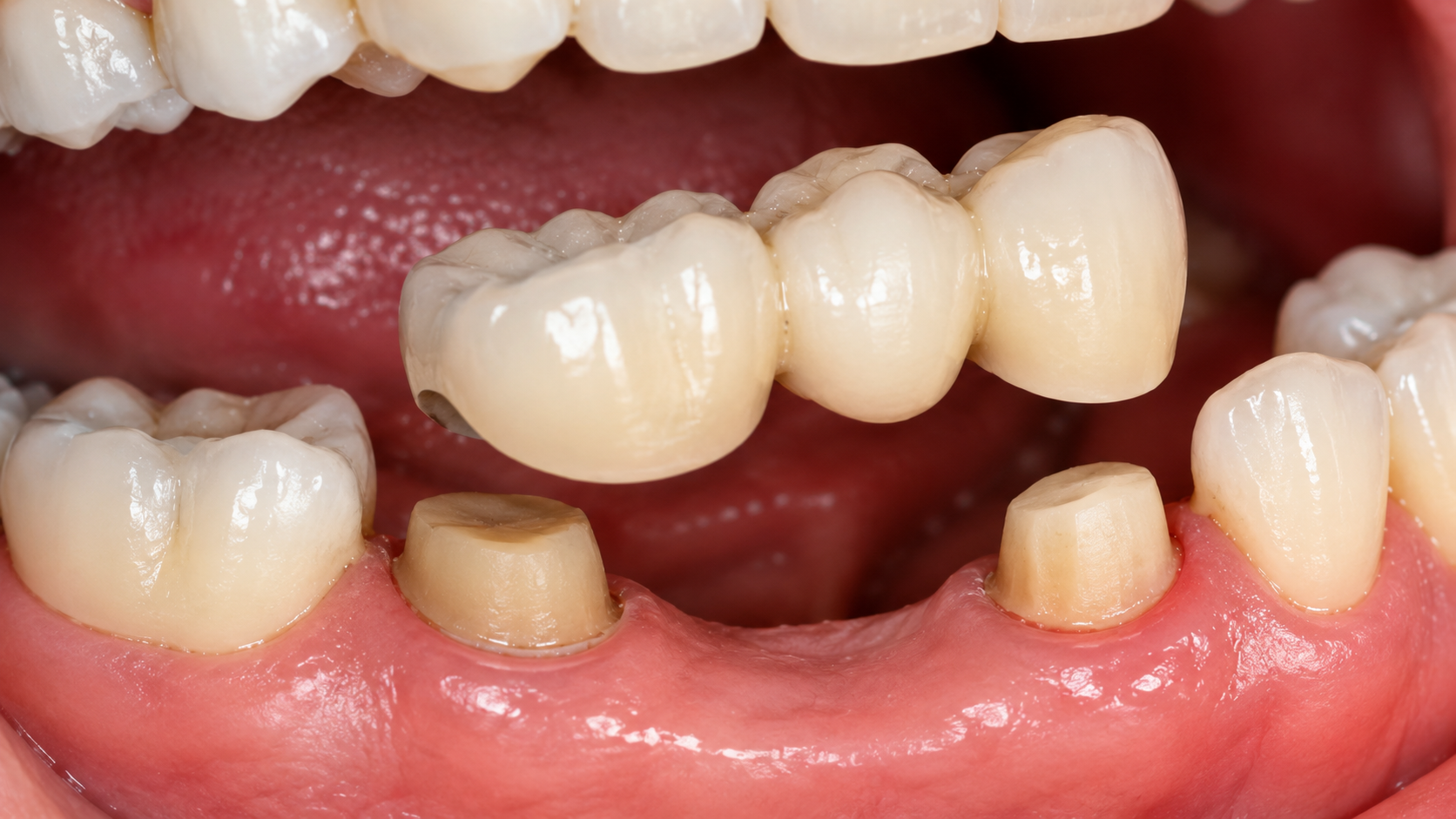
A dental bridge is a fixed partial denture that replaces one or more missing teeth. It consists of an artificial tooth, called a pontic, that is held in place by supporting teeth or dental implants.
The supporting structures are known as abutment teeth. In many cases, these teeth receive a dental crown to provide strength and stability. The pontic is connected through connectors, creating a restoration that looks and functions like natural teeth.
Unlike removable dentures, a permanent bridge remains securely in place, allowing you to eat, smile, and speak with greater confidence.
Why Replacing Missing Teeth Matters
Even a single missing tooth can lead to several oral health concerns if left untreated.
These may include:
- Teeth shifting into the empty space
- Bite changes that affect occlusion
- Reduced chewing efficiency
- Increased stress on surrounding teeth
- Gum recession around neighboring teeth
- Greater plaque and tartar accumulation
- Higher risk of tooth decay and periodontal disease
Replacing the missing tooth early helps preserve both function and appearance while supporting long-term oral health.
Types of Dental Bridges
Different situations require different treatment approaches. Your dentist or prosthodontist will recommend the most appropriate option after examining your teeth, gums, and jawbone.
Traditional Dental Bridge
This is the most common type. A pontic is supported by dental crowns placed on healthy abutment teeth located on both sides of the gap.
It provides excellent stability and works well when strong natural teeth are available.
Cantilever Bridge
A cantilever bridge is supported by only one abutment tooth. It may be considered when only one neighboring tooth is present, although it is used less frequently because chewing forces are concentrated on one side.
Maryland Bridge
A Maryland bridge uses metal or ceramic retainers bonded to the back of neighboring teeth rather than full crowns.
Because less tooth preparation is required, it is often considered for replacing front teeth where bite force is lower.
Implant-Supported Bridge
Instead of relying on natural teeth, this option is supported by dental implants that integrate with the jawbone through osseointegration.
An implant-supported bridge may be recommended when several adjacent teeth are missing or when preserving healthy neighboring teeth is a priority.
Materials Used in Modern Bridges
Several high-quality materials are available, each offering different benefits.
Common choices include:
- Zirconia, known for exceptional strength and natural appearance
- Ceramic, valued for lifelike translucency
- Porcelain fused to metal, combining durability with aesthetics
- Gold alloy, selected in certain situations for long-lasting performance
Your dentist will recommend the material based on the bridge location, bite force, smile aesthetics, and overall treatment goals.
How the Procedure Works
The treatment process usually involves two or more appointments.
Initial Examination
Your dentist performs a thorough evaluation using a clinical examination, dental X ray, or cone beam computed tomography when more detailed imaging is needed.
Digital records may be captured using a digital intraoral scanner, replacing traditional impressions in many practices.
Tooth Preparation
If a traditional bridge is planned, the abutment teeth are carefully shaped to create space for dental crowns. This process is performed comfortably using local anesthesia.
The dentist protects the tooth enamel while preserving healthy dentin and avoiding unnecessary disturbance to the dental pulp whenever possible.
Impressions and Temporary Bridge
Digital scans or a dental impression are sent to a dental laboratory, where technicians use advanced CAD CAM dentistry to create a highly accurate restoration with excellent marginal fit and precise crown margin adaptation.
Meanwhile, a temporary bridge protects the prepared teeth.
Permanent Placement
Once completed, the permanent restoration is checked for comfort, appearance, and proper bite alignment.
The bridge is secured using durable dental cement, allowing you to resume normal daily activities after your dentist confirms a balanced bite.
Patients who experience discomfort around existing crowns may also benefit from learning more about pain under dental crowns and the underlying causes before considering additional treatment.
Who May Be a Good Candidate?
A bridge may be appropriate for patients who:
- Have one or more missing teeth
- Have healthy supporting teeth or implants
- Maintain good oral hygiene
- Have healthy gum tissue
- Have sufficient bone support when implants are considered
Certain conditions may require treatment before placing a bridge.
These include:
- Tooth decay
- Periodontal disease
- Untreated root canal infections
- Significant bone loss
- Severe bruxism
Your dentist may recommend treating these issues first to improve long-term success.
Benefits and Limitations
Benefits
A well-designed restoration offers many advantages.
These include:
- Restores chewing function
- Improves speech
- Supports facial appearance
- Prevents neighboring teeth from drifting
- Enhances smile aesthetics
- Feels stable during eating
- Restores confidence
Limitations
Like any dental restoration, bridges also have considerations.
Healthy abutment teeth often require preparation, and excellent oral hygiene is essential. They also do not prevent jawbone changes beneath the missing tooth area in the same way implants can.
Your dentist will explain all available options so you can make an informed decision.
Caring for Your Bridge
Daily care plays a major role in extending the life of your restoration.
Helpful habits include:
- Brush twice daily using fluoride toothpaste.
- Use an interdental brush where recommended.
- Schedule regular professional cleanings with a dental hygienist.
- Attend routine dental examinations.
- Limit very hard foods if advised by your dentist.
- Wear a night guard if you have bruxism.
Consistent plaque removal helps reduce the risk of gum inflammation and protects the supporting teeth.
Dental Bridge Versus Dental Implant
Both treatments effectively replace missing teeth, but they work differently.
A dental bridge relies on neighboring teeth or implants for support, while a single dental implant replaces both the tooth root and crown.
A dental implant may help preserve jawbone volume because it stimulates the bone through normal chewing forces. However, not every patient is an ideal implant candidate.
A personalized examination helps determine which treatment best matches your oral health, anatomy, and lifestyle.
Frequently Asked Questions
How long does a dental bridge last?
With proper oral hygiene, regular dental visits, and good maintenance, many bridges remain functional for many years. Longevity depends on oral health, bite habits, and daily care.
Is getting a bridge painful?
The procedure is typically performed using local anesthesia, making treatment comfortable. Mild sensitivity after tooth preparation usually improves within a few days.
Can I eat normally with a bridge?
Yes. After adjusting to the restoration, most people return to eating comfortably. Your dentist may recommend avoiding extremely hard foods to protect the restoration.
Can a bridge replace several missing teeth?
Yes. Depending on your oral health and available support, a bridge can replace multiple adjacent missing teeth.
How do I clean underneath the pontic?
Use floss designed for bridges, a floss threader, or an interdental brush to remove plaque beneath the artificial tooth and keep the surrounding gums healthy.
Key Takeaways
- A dental bridge replaces missing teeth using one or more artificial teeth supported by natural teeth or implants.
- Several designs are available, including traditional, cantilever, Maryland, and implant-supported bridges.
- Modern digital technology improves accuracy, comfort, and fit.
- Good oral hygiene and regular dental care help extend the life of the restoration.
- Personalized treatment planning ensures the most suitable option for each patient’s needs.
Conclusion
Replacing missing teeth is about more than restoring appearance. It helps maintain healthy chewing, balanced bite function, and long-term oral health.
Modern bridges combine durable materials, advanced digital techniques, and individualized treatment planning to provide reliable, natural-looking results.
By working with an experienced dental team and maintaining excellent oral hygiene, patients can enjoy improved comfort, restored confidence, and a healthier smile for years to come.
At Senkrondent, patient-centered care, advanced technology, and a welcoming environment support every step of the journey toward lasting oral health.