
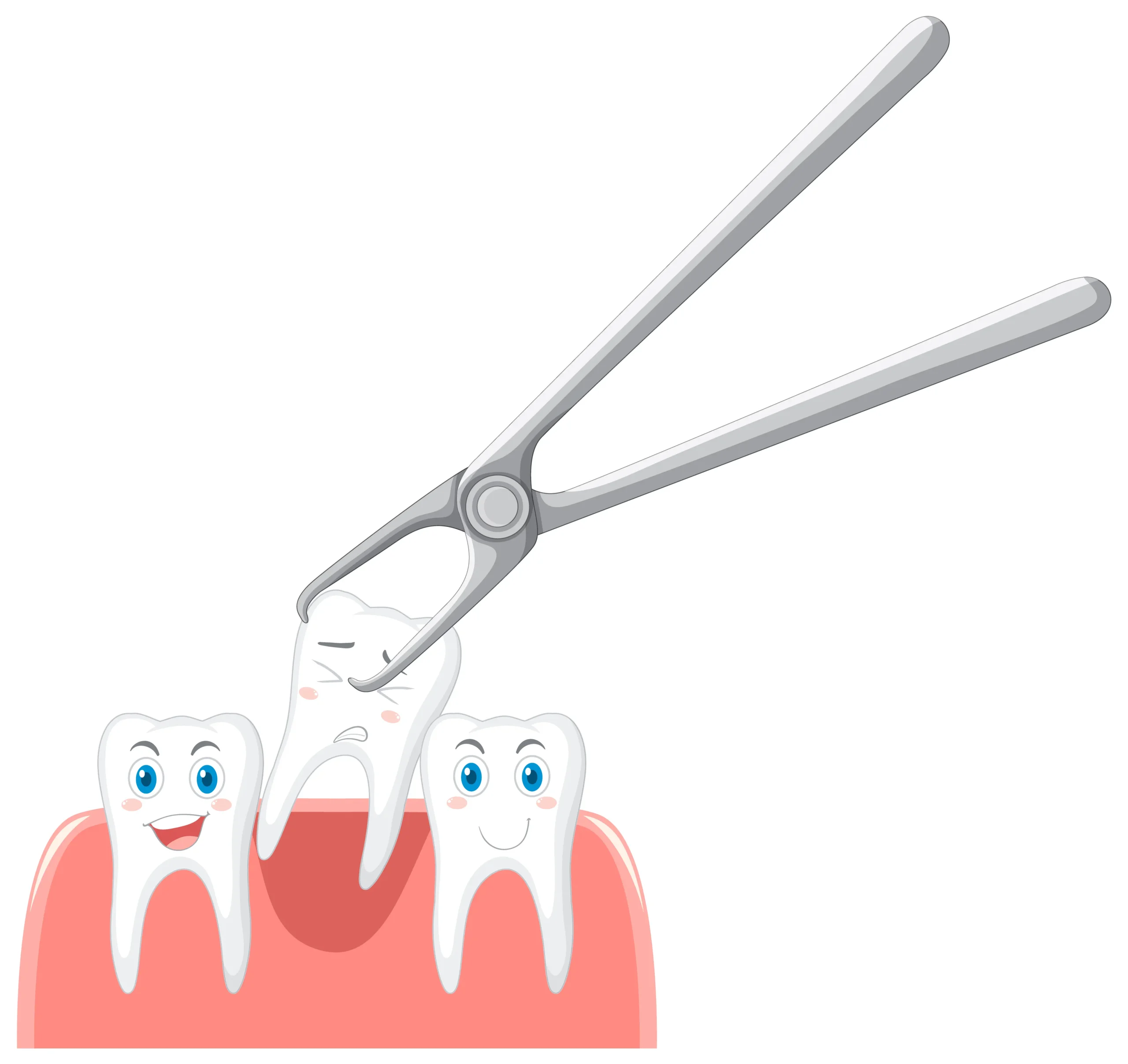
Getting a tooth removed can feel stressful, especially when you are unsure about what you can safely eat or drink afterward.
One of the most common questions people ask is whether drinking water is safe after a tooth extraction.
The short answer is yes, you can drink water after a tooth extraction, and staying hydrated is important for recovery. However, there are a few important rules to follow to avoid disturbing the healing area.
Knowing when to drink, how to drink, and what to avoid can help reduce discomfort and lower the risk of complications like dry socket.
If you are preparing for a dental procedure or recovering from one, visiting a professional dentist in Kadıköy can help you receive the right aftercare guidance for a smoother healing process.
Is It Safe to Drink Water After Tooth Extraction?
Yes, drinking water after tooth removal is generally safe and recommended. Water helps keep your body hydrated and supports the natural healing process.
Most dentists advise waiting until the numbness from anesthesia begins to wear off before drinking large amounts of water. This helps prevent accidental biting of your lips, tongue, or cheeks.
You can usually take small sips of water soon after the procedure unless your dentist gives different instructions.
Why Hydration Matters After Tooth Removal
Your body needs fluids to heal properly. Drinking enough water after dental treatment offers several benefits.
Supports Faster Healing
Water helps carry nutrients and oxygen throughout the body. This supports tissue repair around the extraction site.
Helps Prevent Dry Mouth
A dry mouth can feel uncomfortable and may allow bacteria to grow more easily. Staying hydrated helps keep the mouth cleaner and more comfortable.
Reduces Weakness and Fatigue
Some people eat less than usual after tooth extraction because of soreness. Drinking enough water can help maintain energy levels during recovery.
How to Drink Water Safely After Tooth Extraction
Although water is safe, the way you drink it matters during the first few days.
Drink Slowly
Take small and gentle sips instead of drinking quickly. This helps avoid pressure around the extraction area.
Avoid Using a Straw
Do not use straws for at least several days after the procedure.
The suction created by a straw can dislodge the blood clot that forms in the socket. This clot is essential for proper healing.
If the clot comes out too early, it can lead to a painful condition called dry socket.
Choose Cool or Room Temperature Water
Cool water is usually more comfortable after a tooth extraction.
Very hot drinks may irritate the sensitive area and increase discomfort during the early healing period.
When Can You Start Drinking Water?
Most patients can start sipping water within the first hour after treatment.
However, timing may depend on factors such as:
- The type of extraction
- Whether sedation was used
- The number of teeth removed
- Your dentist’s instructions
If you had a surgical extraction or wisdom tooth removal, your dentist may recommend extra precautions.
Always follow the aftercare instructions provided by your dental clinic.
What Drinks Should You Avoid?
Some beverages can interfere with healing and should be avoided during the recovery period.
Carbonated Drinks
Soda and sparkling water may irritate the extraction site.
The bubbles can disturb the healing area, especially during the first 24 to 48 hours.
Very Hot Drinks
Hot tea, coffee, and soup may increase bleeding or discomfort shortly after the extraction.
It is better to wait until the area becomes less sensitive.
Sugary Beverages
Drinks with high sugar content can encourage bacterial growth inside the mouth.
Water remains the best and safest choice during the first stage of recovery.
Can Drinking Water Cause Dry Socket?
Drinking water itself does not cause dry socket.
However, drinking incorrectly can increase the risk.
Dry socket happens when the protective blood clot becomes dislodged before the area fully heals.
This exposes the bone and nerves underneath, leading to pain and delayed healing.
To reduce the risk:
- Avoid straws
- Do not spit forcefully
- Avoid smoking
- Drink gently
- Follow your dentist’s instructions carefully
Signs You Should Contact Your Dentist
Mild discomfort and swelling are normal after a tooth extraction.
However, some symptoms may require professional attention.
Contact your dentist if you experience:
- Severe pain after a few days
- Persistent bleeding
- Swelling that worsens
- Fever
- Bad taste or odor from the extraction site
- Difficulty swallowing
Early treatment can help prevent complications and improve comfort.
Additional Recovery Tips After Tooth Extraction
Besides staying hydrated, there are several ways to support healing.
Eat Soft Foods
Choose foods like yogurt, mashed potatoes, soup, scrambled eggs, and smoothies without a straw.
Avoid crunchy or hard foods that may irritate the area.
Rest Properly
Take it easy for the first 24 hours.
Heavy physical activity may increase bleeding and discomfort.
Keep the Area Clean
Follow your dentist’s cleaning instructions carefully.
Gentle saltwater rinses may be recommended after the first day.
Avoid Smoking
Smoking can slow healing and significantly increase the risk of dry socket.
Avoid tobacco products during recovery.
Frequently Asked Questions
How long should I wait to drink water after tooth extraction?
Most people can take small sips of water shortly after the procedure. It is best to wait until numbness begins to wear off.
Can I drink cold water after tooth extraction?
Yes, cool or room temperature water is usually safe and may help soothe the area.
Why can’t I use a straw?
The suction from a straw can remove the blood clot protecting the extraction site and increase the risk of dry socket.
Can I drink bottled water after extraction?
Yes, bottled water is safe as long as you drink gently and avoid using a straw.
Conclusion
Drinking water after tooth extraction is not only safe but also important for recovery. Staying hydrated helps support healing, keeps the mouth comfortable, and may reduce dryness during the recovery process.
The key is to drink carefully. Small sips, avoiding straws, and choosing cool water can help protect the extraction site while it heals.
If you have ongoing pain, swelling, or concerns after your procedure, seeking advice from a qualified dental professional is always the best step.
Following proper aftercare instructions can help you recover more comfortably and return to your normal routine sooner.