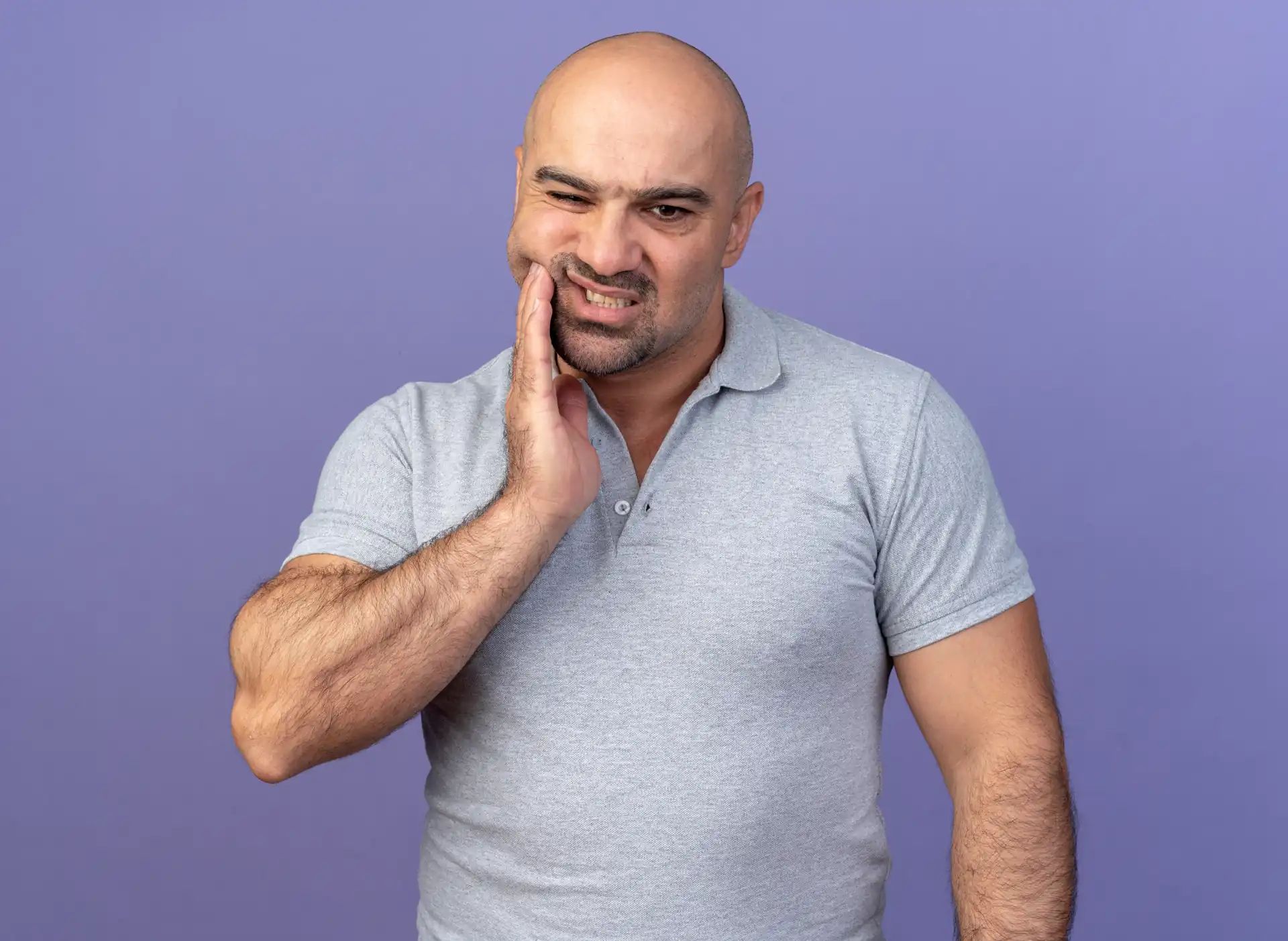
Have your teeth started looking longer than before? Do you notice sensitivity when drinking cold water or eating hot foods? These may be early signs of receding gums.
Many people ignore small changes in their gums until discomfort becomes difficult to manage. Healthy gums are important because they protect the roots of your teeth and support your overall oral health.
When gum tissue slowly pulls away from the teeth, the roots become exposed. This can lead to sensitivity, discomfort, and a higher risk of tooth damage if left untreated.
The good news is that early care can help slow down the problem and protect your smile.
At Senkron Dent, patients can access professional dental guidance and oral health support to help maintain healthy teeth and gums.
What Is Gum Recession?
Gum recession happens when the gum tissue surrounding the teeth moves downward or pulls back. As a result, more of the tooth or its root becomes visible.
This condition usually develops slowly over time. Many people do not notice it in the beginning because the changes can be very small.
Healthy gums fit tightly around the teeth. When the tissue starts shrinking or moving away, small gaps may form between the teeth and gums. These spaces can collect bacteria and plaque.
Without proper care, the condition may increase the risk of tooth decay, gum infection, loose teeth, and bone damage.
Common Signs and Symptoms
Many symptoms can appear gradually. Paying attention to early warning signs can help prevent further damage.
Teeth Looking Longer
One of the most noticeable signs is when teeth appear longer than usual. This happens because more of the tooth root becomes exposed.
Tooth Sensitivity
People with gum problems often experience discomfort when eating cold, hot, sweet, or acidic foods.
The roots of teeth are not protected by enamel like the upper part of the tooth. This makes them more sensitive.
Swollen or Red Gums
Inflamed gums may appear red, swollen, or tender.
Bleeding while brushing or flossing can also be an early sign of gum disease.
Small Gaps Near the Gumline
You may notice spaces forming between the teeth and gums.
These areas can trap food particles and bacteria.
Loose Teeth
Advanced gum damage can weaken the support around the teeth.
This may eventually cause teeth to shift or feel loose.
What Causes Gum Recession?
Several factors can contribute to this condition. In many cases, more than one cause is involved.
Brushing Too Hard
Aggressive brushing is one of the most common reasons behind gum damage.
Using too much pressure or a hard toothbrush can wear down gum tissue over time.
A soft-bristle toothbrush and gentle movements are usually safer for the gums.
Gum Disease
Bacterial infections affecting the gums can destroy tissue and bone.
Poor oral hygiene often allows plaque and tartar to build up around the teeth. This increases the risk of inflammation and infection.
Teeth Grinding
Grinding or clenching teeth puts extra pressure on the gums and supporting structures.
Many people grind their teeth during sleep without realizing it.
Smoking and Tobacco Use
Tobacco products can reduce blood flow to the gums and increase plaque buildup.
Smoking also makes it harder for the mouth to heal properly.
Hormonal Changes
Hormonal shifts during pregnancy, menopause, or puberty can make gums more sensitive.
This may increase the chance of inflammation.
Crooked Teeth or Bite Problems
Teeth that are not properly aligned may place uneven pressure on the gums.
Over time, this can contribute to tissue loss.
Genetics
Some people naturally have thinner gum tissue or are more likely to develop gum disease.
Even with good oral care, genetics may still play a role.
Why Early Treatment Matters
Ignoring gum problems can lead to more serious oral health issues.
When roots become exposed, teeth are more vulnerable to decay and sensitivity.
Bacteria trapped around the gums may also increase the risk of infection.
In severe cases, the bone supporting the teeth can weaken. This may eventually result in tooth loss.
Early treatment helps reduce complications and supports long term oral health.
How Dentists Diagnose Gum Problems
A dentist usually examines the gums carefully during a routine dental visit.
They may measure the space between the gums and teeth using a small dental instrument. Deeper pockets may suggest gum disease.
Dental X-rays can also help identify bone loss around the teeth.
Regular dental checkups are important because many gum problems develop slowly and painlessly.
Treatment Options for Gum Recession
Treatment depends on the cause and severity of the condition.
Some cases can improve with better oral hygiene, while advanced situations may require professional treatment.
Professional Deep Cleaning
Dentists may recommend deep cleaning procedures to remove plaque and tartar below the gumline.
This helps reduce bacteria and allows the gums to heal more effectively.
Improved Oral Hygiene Habits
Switching to gentle brushing techniques can help prevent further tissue damage.
Flossing daily and using antibacterial mouthwash may also support healthier gums.
Night Guards for Teeth Grinding
If grinding is causing pressure on the gums, a dentist may suggest a custom night guard.
This device protects the teeth and reduces strain during sleep.
Orthodontic Treatment
Correcting bite problems or crowded teeth may help reduce uneven pressure on the gums.
Straight teeth are often easier to clean properly.
Gum Grafting
For advanced cases, gum graft surgery may be recommended.
During this procedure, tissue is placed over exposed roots to improve protection and appearance.
A dental professional can explain whether this treatment is suitable for a specific case.
Can Gum Tissue Grow Back Naturally?
Many people wonder whether lost gum tissue can return naturally.
Unfortunately, gum tissue usually does not grow back on its own once it has receded.
However, proper care can help prevent the condition from worsening.
Professional treatments may also improve gum coverage and protect exposed roots.
The earlier the issue is identified, the better the chances of preserving healthy tissue.
How to Prevent Gum Recession
Good oral care habits play a major role in protecting the gums.
Simple daily practices can make a big difference over time.
Brush Gently
Use a soft toothbrush and avoid scrubbing aggressively.
Gentle circular motions are often recommended.
Floss Every Day
Flossing removes food particles and plaque from areas a toothbrush cannot reach.
Consistent flossing helps keep the gums cleaner.
Visit the Dentist Regularly
Routine dental checkups allow early detection of oral health problems.
Professional cleanings also help remove tartar buildup.
If you are looking for professional dental care and preventive guidance, Senkron Dent offers support for maintaining healthy gums and teeth.
Avoid Smoking
Quitting tobacco products can improve gum health and reduce the risk of infection.
Eat a Balanced Diet
Healthy foods rich in vitamins and minerals support stronger gums and overall oral health.
Drinking enough water also helps maintain a healthier mouth environment.
Frequently Asked Questions
Is Gum Recession Permanent?
The lost tissue usually does not grow back naturally. However, proper treatment can help stop further damage and improve gum health.
Can Sensitive Teeth Mean Gum Problems?
Yes. Exposed tooth roots often cause sensitivity to hot, cold, or sweet foods.
Does Brushing Harder Clean Better?
No. Brushing too hard can damage both gums and tooth enamel.
Gentle brushing is usually more effective and safer.
When Should You See a Dentist?
You should visit a dentist if you notice bleeding gums, sensitivity, loose teeth, or visible changes in your gumline.
Early care may help prevent more serious complications.
Conclusion
Healthy gums are essential for protecting your teeth and maintaining a confident smile.
Although gum recession can develop slowly, recognizing the early signs can make a major difference.
Simple habits such as gentle brushing, flossing, regular dental visits, and avoiding tobacco products can help support healthier gums.
Professional dental care is also important for identifying underlying causes and choosing the right treatment approach.
By taking action early, you can reduce discomfort, protect your teeth, and improve your long-term oral health.