
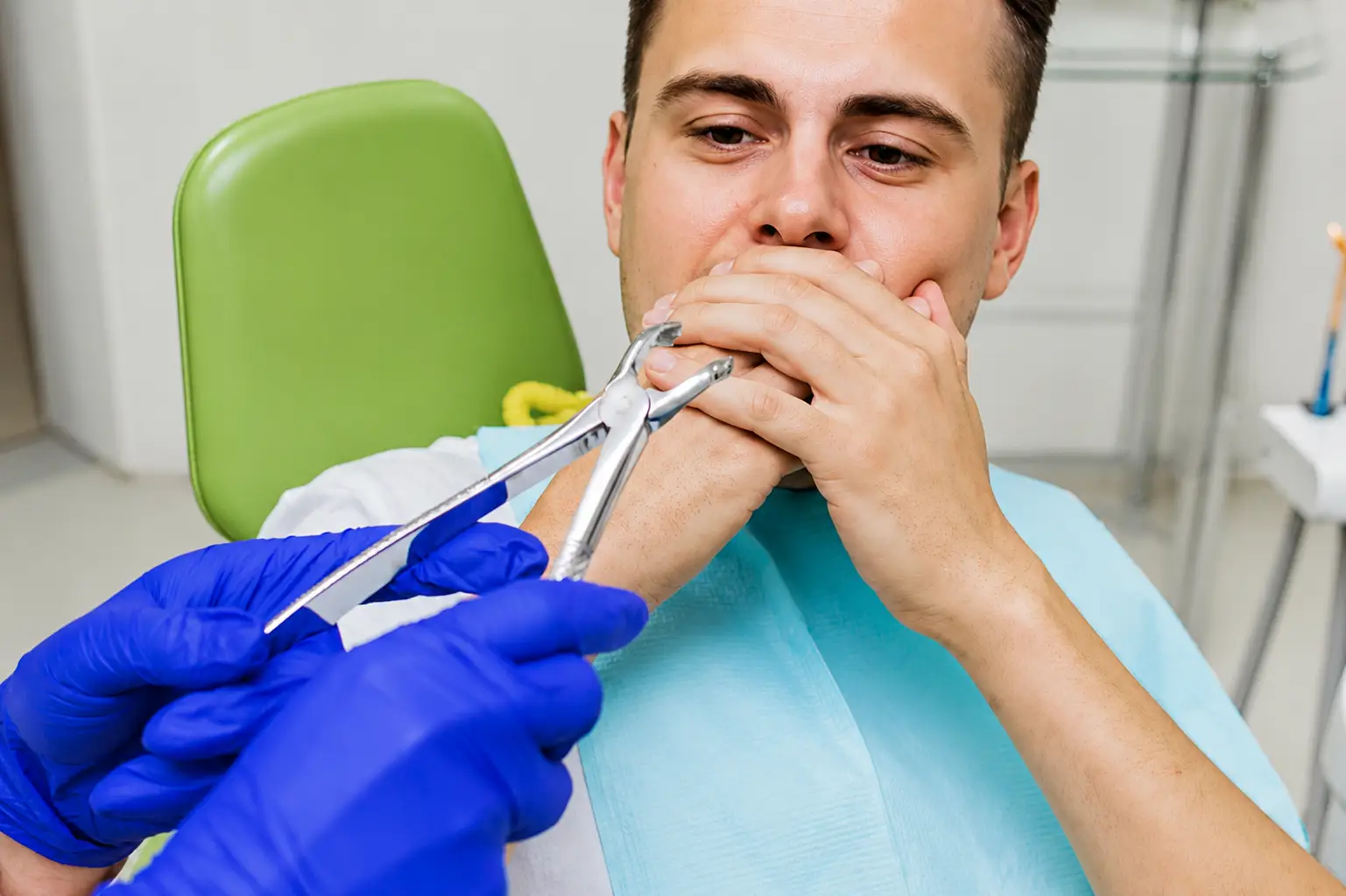
If you’ve recently had a tooth removed, you’re probably wondering what comes next. While the extraction itself is over, the way you care for your mouth during the following days plays a big role in how quickly and comfortably you recover.
After a simple extraction or a surgical procedure, the first few days are the most important. Small choices, such as how you eat, clean your mouth, and rest, can make a significant difference in your recovery.
While some swelling and mild discomfort are expected, understanding what is normal and what requires professional attention gives you peace of mind.
In this guide, you’ll learn what to do after tooth extraction, what to avoid, how to manage pain and swelling, and when it’s time to contact your dentist.
With proper care and guidance from your dental professional, you can support healing and return to your normal routine as comfortably as possible.
Why Proper Tooth Extraction Aftercare Matters
After a tooth is removed, your body immediately begins repairing the empty socket. A blood clot forms over the extraction site, acting as a natural protective layer for the underlying bone and nerves. This clot is essential because it allows new tissue to grow while shielding the area from bacteria and irritation.
If the blood clot becomes dislodged too early, healing can slow down and lead to a painful condition called dry socket. Following your dentist’s instructions carefully helps protect the clot and reduces the chance of complications.
Proper aftercare also helps:
- Minimize bleeding during the first several hours.
- Reduce swelling and inflammation.
- Lower the risk of infection.
- Improve comfort throughout recovery.
- Support faster tissue healing.
Most people notice gradual improvement within a few days, although complete healing of the socket may take several weeks depending on the type of extraction.
What to Do After Tooth Extraction Immediately
The first 24 hours play a major role in your recovery. During this period, your goal is to protect the extraction site and allow your body to begin healing naturally.
Bite Gently on the Gauze
Your dentist will place gauze over the extraction site immediately after the procedure. Bite down gently but firmly for about 30 to 45 minutes, or as instructed.
The pressure helps control bleeding and encourages the blood clot to form properly. If slight bleeding continues, replace the gauze with a fresh piece and continue applying gentle pressure.
Rest and Take It Easy
Avoid strenuous activity for the remainder of the day.
Physical exertion can increase blood pressure, which may restart bleeding and interfere with clot formation. Instead, spend the day relaxing and keep your head elevated whenever possible.
Apply a Cold Compress
Swelling is a normal part of the healing process.
Apply an ice pack or cold compress to the outside of your cheek for 15 to 20 minutes at a time during the first 24 hours. This simple step helps reduce swelling and provides additional comfort.
Take Medications as Directed
If your dentist prescribes pain medication or recommends over-the-counter pain relievers, take them exactly as instructed.
Avoid taking medications that have not been approved by your dental provider, particularly if you have existing medical conditions or take other prescriptions.
Foods to Eat After Tooth Extraction
Your mouth needs time to heal, so choosing soft, nutritious foods can make eating more comfortable while protecting the extraction site.
Good food choices include the following:
- Yogurt
- Applesauce
- Mashed potatoes
- Oatmeal after it has cooled
- Scrambled eggs
- Cottage cheese
- Smooth soups that are not hot
- Smoothies eaten with a spoon
- Avocado
- Soft pasta
Eating balanced meals provides the nutrients your body needs to repair tissue more efficiently.
As healing progresses, you can slowly return to your normal diet based on your dentist’s recommendations and your comfort level.
Foods and Drinks to Avoid
Some foods and beverages can irritate the extraction site or interfere with healing.
Avoid the following:
- Crunchy chips
- Popcorn
- Nuts
- Seeds
- Hard candies
- Sticky sweets
- Spicy foods
- Extremely hot drinks
- Alcohol
- Carbonated beverages during the early healing period
It is also important not to drink through a straw. The suction can disturb the protective blood clot and increase the risk of developing dry socket.
By making careful food choices during the first several days, you give your mouth the best opportunity to heal naturally and comfortably.
How to Keep Your Mouth Clean After Tooth Extraction
Keeping your mouth clean is important, but the extraction site should be treated gently while it heals.
For the first 24 hours, avoid rinsing your mouth vigorously or brushing directly over the extraction area. These actions can disturb the newly formed blood clot.
Beginning the following day, you can usually rinse gently with warm salt water several times a day, especially after meals, unless your dentist provides different instructions. A simple saltwater rinse helps remove food particles and keeps the area cleaner without being harsh on healing tissues.
Continue brushing and flossing the rest of your teeth as usual. Just be careful around the extraction site until your dentist confirms that normal cleaning can resume.
How to Manage Pain and Inflamation After Tooth Extraction
Some discomfort after a tooth extraction is completely normal. But symptoms of inflammation after tooth extraction are most noticeable during the first 24 to 48 hours before gradually improving.
You can make recovery more comfortable by following these tips:
- Take pain medication exactly as prescribed or recommended by your dentist.
- Continue using a cold compress during the first day.
- Sleep with your head slightly elevated to help reduce swelling.
- Stay hydrated by drinking plenty of water.
- Eat soft foods that do not require much chewing.
If swelling continues to worsen after several days instead of improving, contact your dental provider for advice.
Activities to Avoid During Recovery
Protecting the extraction site is just as important as following good aftercare habits. Certain activities can slow healing or increase the chance of complications.
Avoid the following during the first few days:
- Smoking or using tobacco products.
- Drinking through a straw.
- Vigorous rinsing or spitting.
- Heavy lifting or intense exercise.
- Touching the extraction site with your fingers or tongue.
- Chewing on the side where the tooth was removed.
Smoking deserves special attention because it can reduce blood flow to the healing tissues and significantly increase the risk of dry socket and delayed healing.
Healing Timeline After Tooth Extraction
Recovery varies from person to person, but most people experience a predictable healing process.
First 24 Hours
A blood clot forms inside the socket. Mild bleeding, tenderness, and swelling are common.
Days 2 to 3
Bleeding usually stops completely. Swelling often reaches its peak before gradually decreasing. Pain should begin improving.
Days 4 to 7
The gum tissue starts closing over the extraction site. Eating and speaking generally become more comfortable.
One to Two Weeks
Most soft tissue healing is complete after a simple extraction. Surgical extractions may require additional healing time.
Several Weeks to Months
The bone underneath the gums continues remodeling until the extraction site has fully healed.
Following your dentist’s instructions throughout this period helps promote a smoother recovery.
When Should You Consult a Dentist for Follow-Up?
While most tooth extractions heal without problems, certain symptoms should not be ignored.
Contact your dentist if you experience:
- Heavy bleeding that does not stop after applying pressure.
- Severe pain that becomes worse after several days.
- Swelling that continues increasing after 48 to 72 hours.
- Fever or chills.
- Pus or an unpleasant taste coming from the extraction site.
- Difficulty swallowing or breathing.
- Persistent numbness beyond the expected recovery period.
Some discomfort is expected, but worsening symptoms may indicate a complication that requires professional evaluation.
How Modern Dental Care Supports a Comfortable Recovery
Today’s dental care focuses not only on successful treatment but also on making recovery as comfortable as possible.
Modern diagnostic technology, minimally invasive techniques, and personalized aftercare instructions help reduce discomfort while supporting predictable healing.
Every patient’s needs are different, so your recovery plan may be adjusted based on your overall health, the type of extraction performed, and any underlying dental conditions.
If you have questions before or after your procedure, consulting an experienced dentist in Kadıköy can provide personalized guidance and reassurance throughout the healing process.
Key Takeaways
- A protective blood clot is essential for proper healing after tooth extraction.
- Rest, follow your dentist’s instructions, and avoid strenuous activity during the first 24 hours.
- Eat soft foods and avoid crunchy, spicy, or sticky foods while healing.
- Do not use straws, smoke, or rinse your mouth forcefully during the early recovery period.
- Practice gentle oral hygiene to keep your mouth clean without disturbing the extraction site.
- Mild discomfort and swelling are normal, but worsening symptoms should be evaluated by a dental professional.
- Most patients recover well when they follow recommended aftercare instructions.
Frequently Asked Questions
How long does it take to recover after a tooth extraction?
Most people feel much better within a few days. Soft tissue healing usually takes one to two weeks after a simple extraction, while complete healing of the underlying bone may take several weeks or months.
Can I brush my teeth after a tooth extraction?
Yes. Continue brushing your other teeth normally, but avoid brushing directly over the extraction site during the first few days. Follow your dentist’s instructions about when normal brushing can resume.
When can I eat normally again?
You can gradually return to your regular diet as your comfort improves. Begin with soft foods and slowly introduce firmer foods once chewing feels comfortable and your dentist advises it is appropriate.
Is swelling normal after tooth extraction?
Yes. Mild swelling is expected and often peaks within the first 48 hours before gradually improving. Applying a cold compress during the first day can help minimize swelling.
What is dry socket?
Dry socket occurs when the protective blood clot becomes dislodged before the extraction site has healed. This exposes the underlying bone and nerves, often causing significant pain that requires professional treatment.
Conclusion
Knowing what to do after tooth extraction can make a meaningful difference in your recovery. By protecting the blood clot, eating the right foods, maintaining gentle oral hygiene, and avoiding activities that interfere with healing, you give your mouth the best opportunity to recover comfortably.
Every patient heals at a slightly different pace, so it is important to follow the aftercare instructions provided by your dental professional. While mild discomfort, swelling, and tenderness are normal, persistent or worsening symptoms should always be evaluated promptly.
With modern dental techniques, personalized care, and proper home aftercare, most patients experience a smooth recovery and can return to their normal daily activities with confidence. Following these simple steps helps support healthy healing while protecting your long-term oral health.