
A tooth infection can cause pain, sensitivity, swelling, a bad taste in your mouth, or a fever. Home remedies might provide short-term relief, but dental infections almost always require a dentist’s care to fix the problem.
Dentists have several effective ways to treat an infected tooth. Treatment may include draining the infection, performing a root canal, placing a filling, or removing the tooth.
Sometimes antibiotics are needed, especially if the infection has spread or caused other health problems.
If you are looking for a trusted place for professional dental care, you can visit the dental polyclinic in Göztepe to discuss your symptoms and treatment options.
What Is a Tooth Infection?
A tooth infection occurs when bacteria enter the deeper tissues of a tooth or the surrounding gum. A common result is a dental abscess, a pocket of pus caused by bacterial infection.
A periapical abscess develops around the tip of a tooth root, usually after bacteria reach the dental pulp. A periodontal abscess develops in the gum tissue adjacent to the tooth root.
The dental pulp is the soft inner part of the tooth containing nerves, blood vessels, and connective tissue.
Deep tooth decay, cracks, chips, trauma, or previous dental problems can allow bacteria to reach this area.
What Are the Signs of an Infected Tooth?
Symptoms can vary depending on where the infection is located and how advanced it has become.
Typical signs include:
- Persistent or throbbing toothache
- Pain when biting or chewing
- Tooth sensitivity to hot or cold foods
- Swollen or tender gums
- Facial or cheek swelling
- Pus around the tooth
- A foul taste or bad breath
- Fever
- Swollen lymph nodes beneath the jaw or in the neck
- Difficulty opening the mouth in some cases
An infection may sometimes drain into the mouth, causing an unpleasant taste and temporary pain relief. However, this does not mean the infection has gone. The underlying cause still requires dental treatment.
How to Get Rid of a Tooth Infection
- Get a Dental Examination
The first step is to determine where the infection originates. Your dentist may examine the tooth, gums, and surrounding tissues and check how the tooth responds to pressure.
A dental X-ray can help identify an abscess around the root and reveal problems not visible during a routine visual exam. In more complicated cases, additional imaging may be necessary.
- Treat the Source of the Infection
Reducing pain alone cannot permanently eliminate a dental infection. The infected tooth or surrounding area needs proper dental treatment.
If decay has damaged the tooth but the pulp remains healthy, a dental filling may be sufficient. If bacteria have reached or damaged the dental pulp, you may need more extensive treatment.
- Root Canal Treatment
Root canal treatment is often used when an infected tooth can still be saved. During the procedure, the dentist removes infected or damaged pulp, cleans the root canals, and seals the space to prevent further bacterial contamination.
A crown may subsequently be recommended when the remaining tooth structure needs additional protection.
Root canal treatment preserves the natural tooth while eliminating infected tissue. Modern local anesthesia and dental techniques make treatment comfortable.
- Abscess Drainage
If pus has collected in an abscess, a dentist may need to drain it by creating an opening to allow the infection to drain safely.
Drainage can reduce pressure and swelling, but it does not necessarily address the damaged tooth itself. Additional treatment, such as root canal therapy or extraction, may therefore still be required.
- Tooth Extraction
Sometimes a tooth is too damaged or weakened to be restored. In these cases, the dentist may recommend extraction.
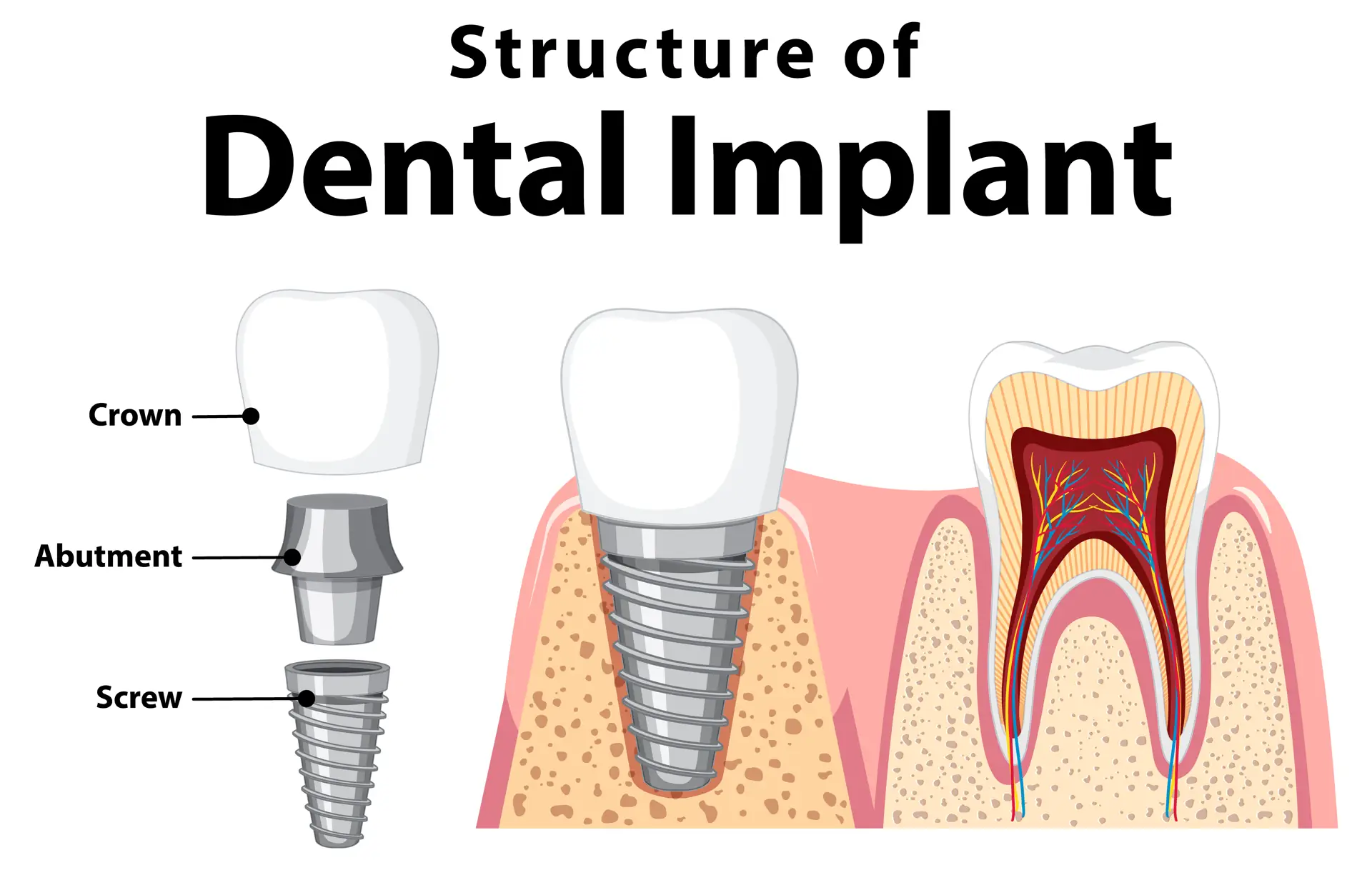
Removing the infected tooth eliminates the source of infection. The dentist can discuss options for replacing the missing tooth later, depending on the situation.
Are Antibiotics Enough to Cure a Tooth Infection?
Antibiotics can be useful in certain cases, but they do not replace treating the dental source of an infection. For many localized dental infections, professional dental treatment is the first step.
Antibiotics may be recommended when there are signs of systemic involvement, such as fever or malaise, or when the infection has spread.
For temporary dental pain, your dentist may recommend commonly used pain relievers when they are safe for you to take.
What Can You Do at Home Until You See a Dentist?
Home remedies can help you feel more comfortable until you see a dentist, but they are not a substitute for real treatment.
You can:
- Rinse gently with warm salt water.
- Keep brushing your teeth carefully.
- Clean between teeth with floss when possible.
- Drink water and stay hydrated.
- Use an appropriate over-the-counter pain reliever if medically suitable.
- Avoid very hot, cold, or sugary foods if they increase sensitivity.
Good oral hygiene also helps reduce dental plaque and lower the risk of future tooth decay and gum problems, including gum bleeding and inflammation.
When Is a Tooth Infection a Dental Emergency?
Some symptoms require rapid attention.
Seek emergency medical care if a dental infection causes significant facial or neck swelling together with difficulty breathing or swallowing. Fever accompanied by facial swelling also warrants urgent evaluation.
Untreated infections can sometimes spread into surrounding tissues. Severe complications can include cellulitis and, in rare cases, infections that affect deeper areas of the head and neck or lead to sepsis.
How Can You Prevent Future Tooth Infections?
Prevention starts with controlling tooth decay and keeping your gums healthy.
Helpful habits include:
- Brush twice daily with fluoride toothpaste.
- Clean between your teeth every day.
- Limit frequent sweet snacks and drinks.
- Attend regular dental examinations and professional cleanings.
- Address cavities, cracks, and tooth sensitivity before they worsen.
- Seek dental advice when persistent tooth pain develops.
Regular examinations can identify tooth decay and other problems before they progress into deeper infection.
Always consult a dentist in Göztepe for an expert assessment if you have ongoing symptoms.
Frequently Asked Questions
Can a tooth infection go away on its own?
Usually, no. Pain may temporarily decrease if an abscess drains, but the bacterial source can remain. Professional dental treatment is generally needed to deal with the underlying problem.
Can salt water get rid of a tooth infection?
A warm saltwater rinse may soothe irritated tissues and help keep the mouth clean, but it cannot eliminate an established infection inside a tooth or root.
Does a tooth infection always need antibiotics?
No. Antibiotics are not required for every dental infection. Appropriate treatment depends on the infection’s location and severity.
Is a root canal better than extraction?
If a tooth can be predictably restored, root canal treatment can preserve the natural tooth. If the tooth cannot be saved, extraction may be necessary.
How quickly should I see a dentist for an infected tooth?
Arrange dental care as soon as possible when you have persistent tooth pain, swelling, pus, fever, or other signs of infection. Early treatment can prevent the problem from worsening.
Key Takeaways
- Bacteria usually cause a tooth infection by entering damaged or diseased dental tissues.
- A dental abscess may form around the tooth root or within the gum.
- Root canal treatment can often save an infected tooth.
- Drainage or tooth extraction may be necessary depending on the condition.
- Antibiotics are useful in selected cases but do not replace appropriate dental treatment.
- Warm saltwater rinses and suitable pain relievers may deliver temporary relief.
- Facial swelling accompanied by difficulty breathing or swallowing requires urgent medical attention.
- Regular brushing, interdental cleaning, fluoride use, and dental examinations can help prevent future infections.
Conclusion
The most reliable way to eliminate a tooth infection is to identify and treat its source.
Home remedies may provide temporary comfort, but they cannot remove infected dental pulp, repair extensive tooth decay, or eliminate an abscess at its source.
A dental examination allows the dentist to determine whether the tooth can be restored with a filling or root canal treatment, whether an abscess requires drainage, or whether extraction is the safest option.
With modern dental techniques, customized treatment, and careful attention to patient comfort, treating an infected tooth does not have to be an overwhelming experience.