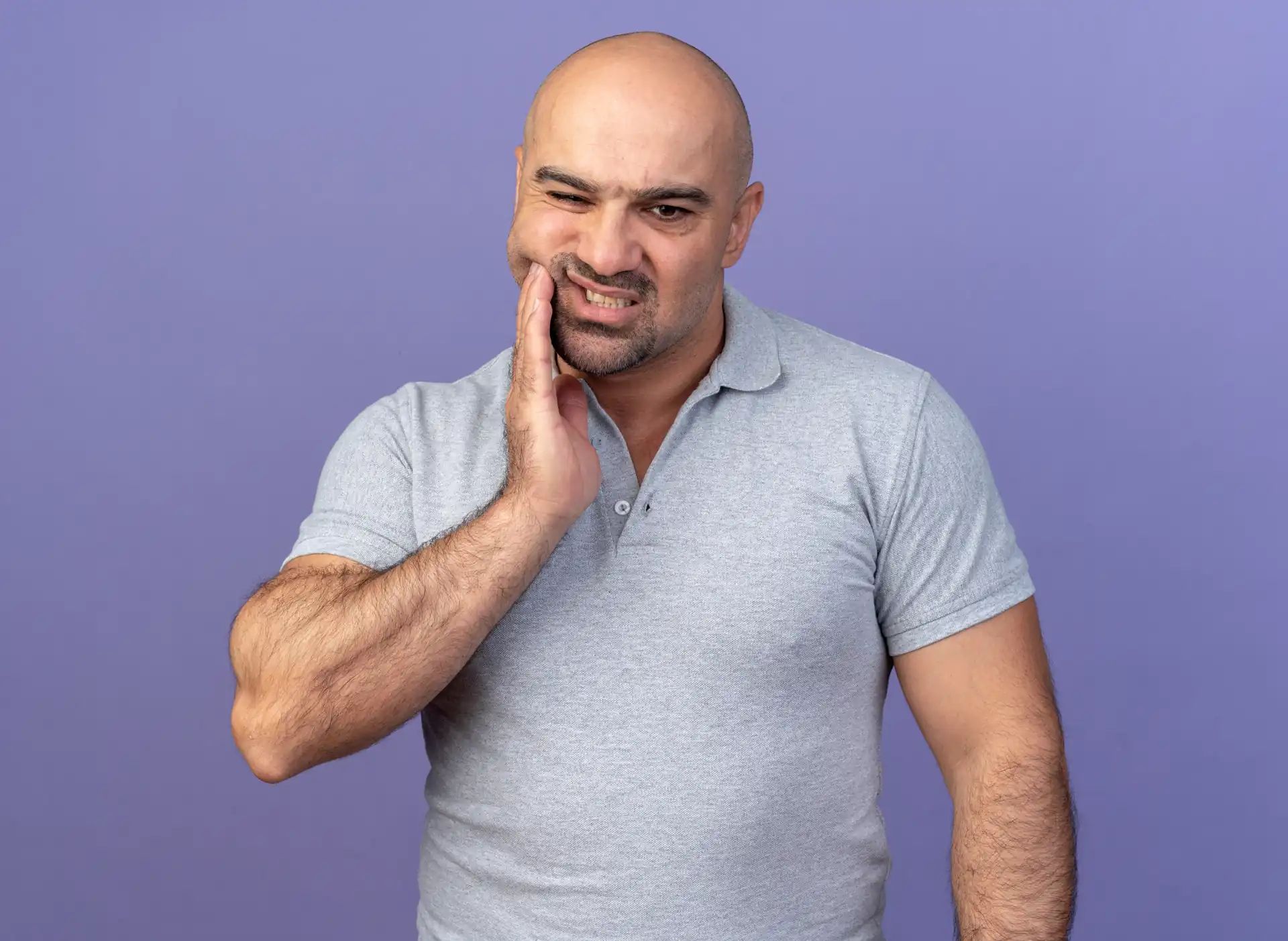
Do you wake up with jaw pain, headaches, or sensitive teeth?
Many people experience these symptoms without realizing they may be linked to clenching teeth. This common habit can happen during the day or while sleeping, often without notice.
Over time, constant pressure on the teeth and jaw can lead to discomfort, worn teeth, and even long-term dental problems.
The good news is that there are effective ways to manage and reduce this habit. Understanding the causes and symptoms is the first step toward protecting your oral health and improving your comfort.
If you are looking for professional dental care and guidance, visit SenkronDent, a trusted dental polyclinic in Kadıköy, which can help you find the right treatment for your needs.
What Does Clenching Teeth Mean?
Clenching teeth happens when a person tightly presses their upper and lower teeth together.
Some people do it occasionally during stressful moments, while others may clench their teeth regularly without realizing it.
This habit can happen during the daytime or during sleep. Nighttime clenching is especially difficult to notice because it occurs unconsciously.
In many cases, clenching is connected to stress, anxiety, sleep disorders, or jaw alignment issues.
Common Causes of Teeth Clenching
Stress and Anxiety
Stress is one of the most common reasons people clench their teeth.
When the body feels tension, the jaw muscles may tighten automatically. Emotional pressure from work, school, or personal life can increase the likelihood of this habit.
Sleep Problems
People with sleep disorders may be more likely to grind or clench their teeth at night.
Interrupted sleep, snoring, and sleep apnea are sometimes linked to jaw tension during sleep.
Bite Misalignment
If the teeth do not align properly, the jaw muscles may work harder than normal.
This extra pressure can contribute to clenching over time.
Lifestyle Habits
High caffeine intake, smoking, and alcohol consumption may increase muscle activity and jaw tension in some people.
Certain Medications
Some medications that affect the nervous system may increase the risk of jaw clenching as a side effect.
Signs and Symptoms to Watch For
Many people are unaware that they clench their teeth until symptoms appear.
Common signs include:
Jaw Pain or Tightness
The jaw muscles may feel sore or tired, especially in the morning.
Frequent Headaches
Tension around the jaw can spread to the temples and cause headaches.
Tooth Sensitivity
Constant pressure may wear down enamel and expose sensitive areas of the teeth.
Worn or Damaged Teeth
Teeth may become flattened, chipped, or cracked over time.
Ear Pain Without Infection
Jaw tension can create discomfort near the ears even when no ear problem exists.
Sleep Disturbances
People who clench at night may experience poor sleep quality or wake up feeling unrested.
Why Teeth Clenching Should Not Be Ignored
Ignoring this habit can lead to more serious oral health problems.
Excess pressure can damage tooth enamel, increase the risk of fractures, and strain the jaw joint.
In some cases, long-term clenching may contribute to temporomandibular joint disorders, also known as TMJ disorders.
Persistent jaw tension can also affect daily activities like chewing, speaking, and sleeping comfortably.
Early treatment can help prevent these complications and protect your smile.
How Dentists Diagnose Teeth Clenching
A dentist can often identify signs of clenching during a routine examination.
They may look for worn tooth surfaces, jaw tenderness, or enamel damage.
In some cases, patients may be asked about headaches, sleep quality, or jaw discomfort.
If sleep-related clenching is suspected, additional evaluation may be recommended.
Regular dental checkups are important because many people do not notice the habit themselves.
Treatment Options for Clenching Teeth
Custom Night Guards
Night guards are one of the most common solutions for sleep-related clenching.
These devices are worn over the teeth to reduce pressure and protect the enamel from damage.
Stress Management
Since emotional stress is a major trigger, relaxation techniques may help reduce jaw tension.
Activities such as meditation, exercise, deep breathing, and better sleep habits can support overall muscle relaxation.
Jaw Exercises
Gentle jaw stretching exercises may help relax tight muscles and improve jaw movement.
A dentist or healthcare professional can recommend safe exercises based on individual needs.
Correcting Bite Problems
If the teeth do not align properly, dental treatments may help improve bite balance and reduce pressure on the jaw.
Lifestyle Changes
Reducing caffeine intake and avoiding chewing on hard objects like ice or pens may help decrease muscle tension.
Tips to Help Stop Clenching During the Day
Many people clench their teeth without noticing while concentrating or feeling stressed.
These simple habits may help:
Keep Your Jaw Relaxed
Your teeth should not touch when your mouth is resting.
Try to keep a small space between the upper and lower teeth.
Check Your Posture
Poor posture can increase tension in the neck and jaw muscles.
Sitting upright and relaxing the shoulders may help.
Use Stress Relief Techniques
Short breaks, stretching, and calming activities can reduce tension throughout the day.
Avoid Excessive Gum Chewing
Constant chewing can overwork the jaw muscles and increase discomfort.
When Should You See a Dentist?
You should consider seeing a dentist if you experience:
- Ongoing jaw pain
- Frequent morning headaches
- Tooth sensitivity
- Cracked or worn teeth
- Difficulty opening or moving the jaw
- Sleep problems linked to jaw tension
Early care can prevent more serious dental damage and improve comfort.
A professional dental evaluation can also help identify the underlying cause of the problem.
Conclusion
Clenching teeth is a common issue that can affect both oral health and overall comfort.
While occasional clenching may seem harmless, repeated pressure on the teeth and jaw can lead to pain, enamel wear, and long-term complications.
Recognizing the symptoms early and taking preventive steps can make a significant difference.
Simple lifestyle changes, stress management, and professional dental care can help protect your teeth and reduce discomfort.
If you notice signs of jaw tension or tooth damage, seeking advice from a dental professional is an important step toward maintaining a healthier smile.